Dr. Cristina Sanchez’s JAMP Scholar Journey: How Redefining Challenges Led to a Competitive
Residency in Plastic Surgery
A pathway into medicine is rarely defined by a single moment. More often, it is shaped
by access, guidance, and the systems that support potential before it is fully realized.
Through the Joint Admission Medical Program (JAMP), administered by the Texas Health
Education Service (TXHES) in partnership with institutions across the state, that
pathway is intentionally structured, connecting students with the academic preparation,
financial support, and mentorship needed to navigate the medical school journey.
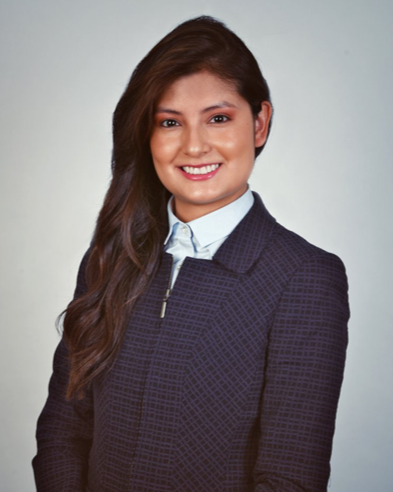
For one JAMP scholar, that pathway began in a rural village in Guanajuato, Mexico—without
consistent access to education, mentorship, or even a clear understanding of what
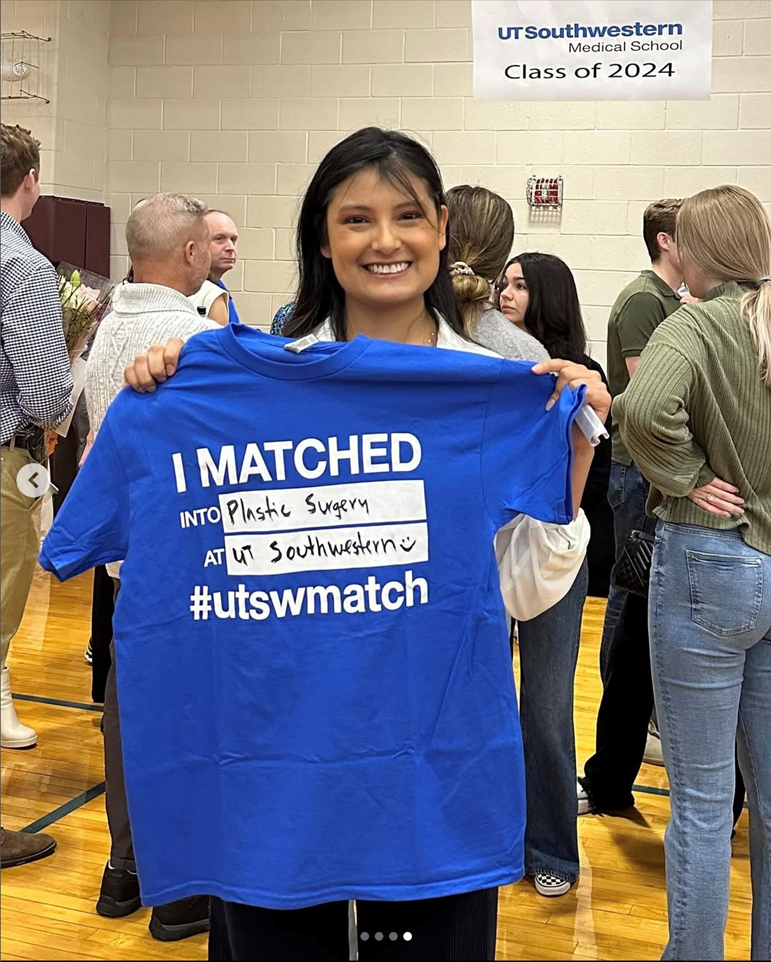
it meant to become a physician. Today, she is preparing to begin training in plastic
surgery after matching at a leading academic medical center, an outcome shaped not
by chance, but by coordinated support, persistence, and opportunity through JAMP.
Her journey reflects both the challenges many students face and the systems that can
help change outcomes.
A path without a roadmap
Growing up in San Damián, Guanajuato, educational access was limited. Internet connectivity
was nonexistent, and schooling opportunities were inconsistent. When she later moved
to the United States, she encountered an entirely new academic environment—one that required rapid
adjustment without the benefit of generational guidance.
Even after enrolling at The University of Texas at Austin as a biochemistry and Spanish
double major, the path to medical school remained unclear.
“I knew I wanted to be a doctor,” she shared. “But I didn’t know how to get there.
I didn’t even know what medical school really looked like, or what the MCAT was.”
Like many first-generation and low-income students, she had the drive, but not the
roadmap.
Finding JAMP and a support system
That changed when she was introduced to JAMP through a peer mentor. The program provided
what had been missing: structure, guidance, and access to opportunities that are often
assumed but not universally available.
Through JAMP, she gained:
- Early clinical and academic exposure
- Financial support that reduced the need to work multiple jobs
- Structured preparation for the MCAT and application process
- Mentorship from faculty and physicians who actively advocated for her success
These supports were not abstract. They were decisive.
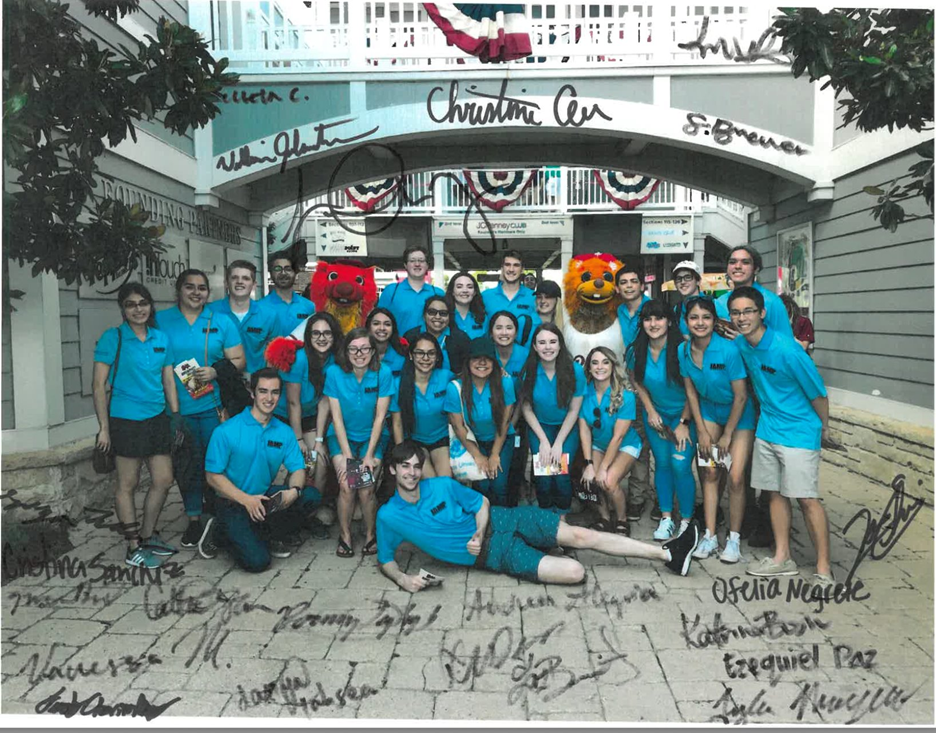
A summer internship at UT Southwestern Medical Center (UTSW) became a turning point,
offering a clearer view of medical training and ultimately shaping her trajectory.
Mentorship as a defining factor
As she progressed, mentorship became central to her success. Faculty not only guided
her academically, but also helped her navigate the unwritten expectations of medical
training and specialty selection.
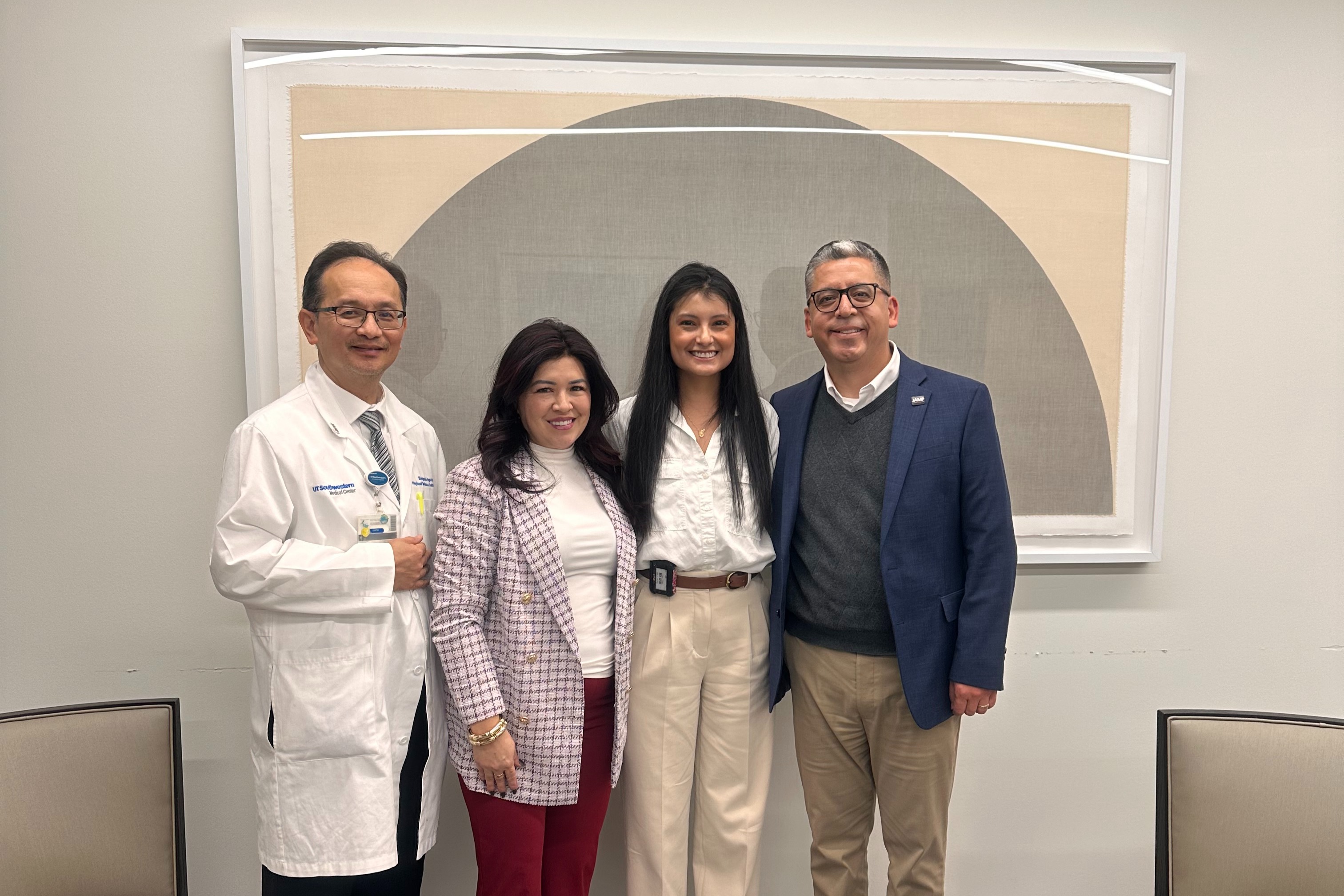
At UT Southwestern Medical Center, mentors like Dr. Shai Rosen helped her understand
how to build a competitive profile in plastic surgery, one of the most selective specialties.
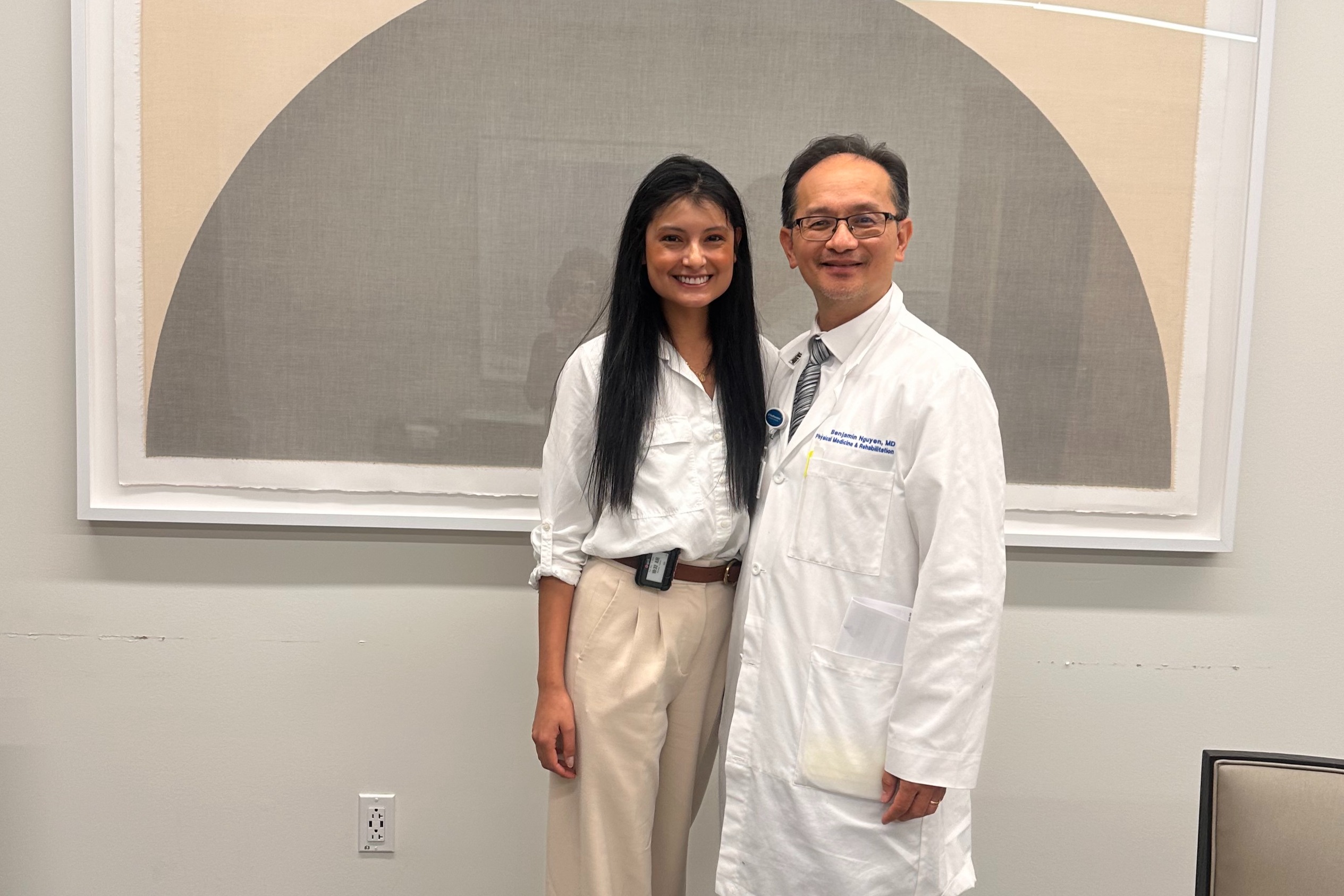
Others, such as JAMP Council Member Dr. Benjamin Nguyen, advocated for her at critical
moments, particularly during the medical school admissions process.
After an initial MCAT score that fell below institutional averages, she was given
the opportunity to retake the exam, improving her performance and ultimately earning
admission.
Reflecting on that decision, Dr. Nguyen emphasized to her:
“We didn’t allow you to come in—you got in on your own accomplishment and hard work.
We are lucky to have you.”
Her experience underscores a reality many students face: performance on standardized
tests does not always reflect effort or potential.
Redefining challenges as strengths
Her experience also highlights the broader realities many JAMP scholars face.
Behind each scholar, she noted, are often overlapping challenges:
- Limited access to professional networks
- Family responsibilities at an early age
- Navigating complex systems without prior exposure
- Persistent feelings of impostor syndrome
For much of her journey, she viewed these factors as obstacles. Over time, and with
mentorship, her perspective shifted.
“Your background isn’t a weakness,” she said. “It’s a strength.”
She often describes this mindset as a “no excuses” mentality, shaped not by the absence
of challenges, but by learning how to move forward despite them.
This shift became foundational to her success, particularly as she prepared for residency
applications. By reframing her experiences, she was able to present a narrative that
reflected both resilience and readiness.
Representation and purpose
Her decision to pursue plastic surgery was shaped by both clinical exposure and personal
experience.
Growing up, she witnessed how conditions like cleft lip were misunderstood in her community—sometimes
attributed to stigma or misinformation. That experience, combined with her clinical
training, led her to a specialty focused on restoration and transformation.
Today, Hispanic physicians remain underrepresented in plastic surgery, with only a
small percentage achieving board certification nationwide.
For her, entering the field is not only a personal milestone, but a reflection of
the communities and experiences that shaped her path. Her presence in the field contributes
to a broader shift, one that reflects both workforce needs and the importance of representation
in patient care.
A program-level impact
Stories like hers are not isolated outcomes. They reflect the intentional design of
JAMP as a statewide pathway supporting students from entry into undergraduate education
through medical school and beyond. By addressing barriers early and providing sustained
support, JAMP creates conditions where talent can fully develop.
As JAMP Council Chair Dr. Cynthia Perry noted: “Perspectives like yours keep us motivated and keep us doing the work. They are essential
as we continue to review and improve program policies.”
This feedback loop—between scholar experience and program evolution—is central to
JAMP’s statewide impact.
Looking ahead
Now preparing to begin residency, she reflects on her journey with a sense of clarity
and purpose.
“I wouldn’t be here without JAMP,” she said. “My family now has a plastic surgeon.”
Her message to future applicants is grounded in persistence:
“There’s no failing. There’s just getting back up. Believe it, embrace it, and get
the most out of it.”
For Texas, the outcome is more than an individual success story. It reflects what
becomes possible when systems are aligned to support students not only in accessing
opportunity, but in sustaining that pathway through to the physician workforce.
About the author: The Joint Admission Medical Program (JAMP) is a special program created by the Texas Legislature to support and encourage highly qualified, economically disadvantaged Texas resident students pursuing a medical education.