Strengthening Alignment Across the Application Cycle: TXHES and Institutional Partners
Convene for Spring Advisory Council Meeting
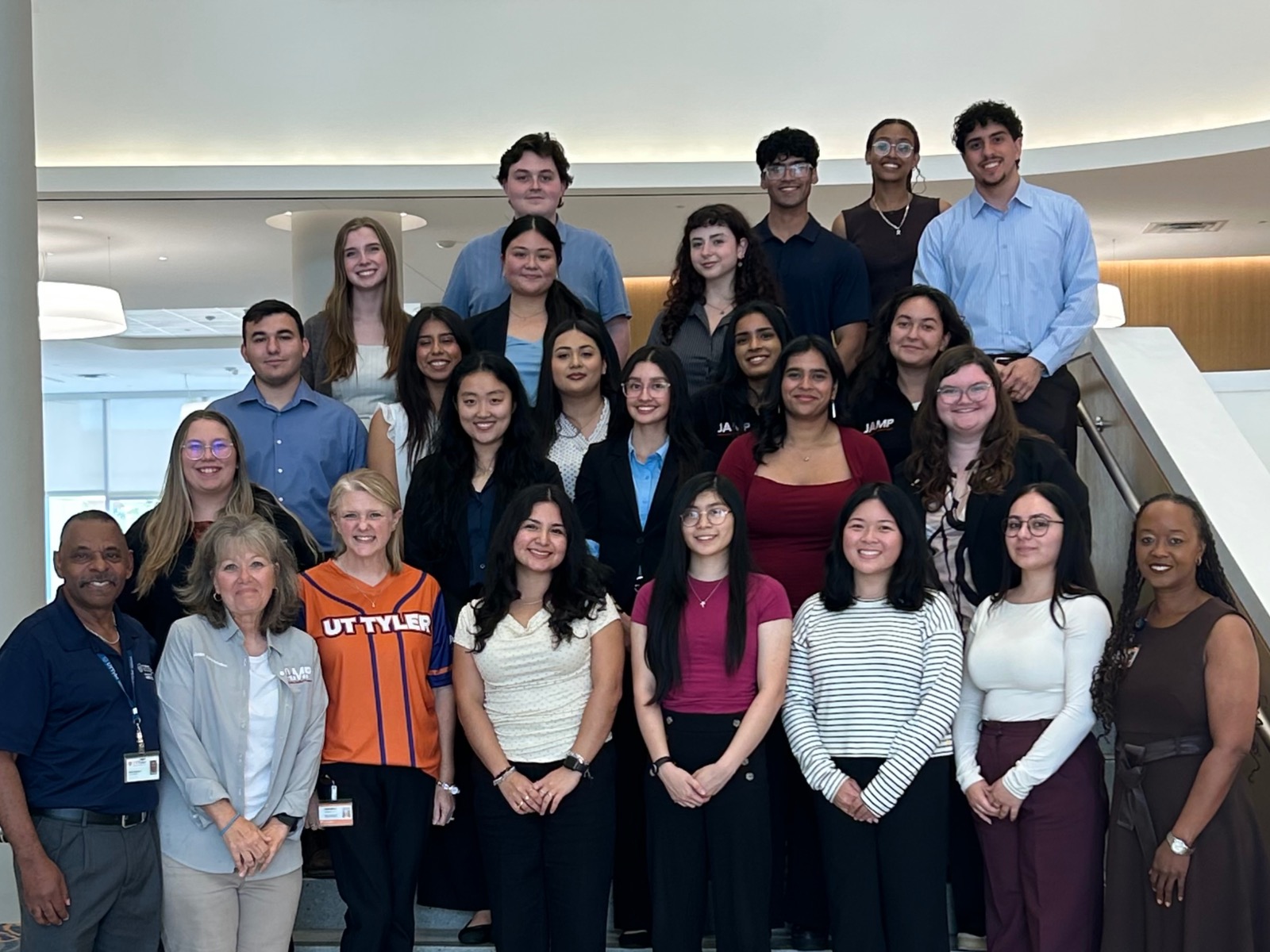
This month, the semiannual TXHES Advisory Council Meeting brought together institutional leaders,
advisors, and partners from across the state to assess progress and shape priorities
for the year ahead.
The meeting aligned stakeholders across the Texas health professions pipeline to strengthen
processes, improve communication, and ensure the application experience reflects both
applicant needs and institutional priorities.
Advancing a more connected application cycle
A central focus of the meeting was the development of a more comprehensive, end-to-end
view of the application cycle, examining how applicants move from preparation through
submission, review, and decision-making.
TXHES and its partners are taking a closer look at each stage of the process to identify
opportunities for improvement. In addition to fine-tuning the application, the Application
Content Enhancement (ACE) Workgroup helps inform broader evaluation efforts. This
includes gathering input from stakeholders across the cycle: advisors, admissions
teams, and applicants to better understand where friction points exist and how systems
can be refined.
The goal is not only to evaluate the application itself, but to strengthen continuity
across the full experience, ensuring that processes remain clear, consistent, and
aligned with the needs of both applicants and participating institutions.
Reframing communication with applicants
Another key area of discussion centered on communication strategies, particularly
how information is shared between institutions and applicants during the most uncertain
phases of the cycle.
Council members explored the concept of “sense-giving” in applicant communications:
providing clearer context around timelines, expectations, and what applicants can
do while awaiting updates. This includes helping applicants better interpret where
they are in the process, while also reinforcing shared expectations around professionalism
and engagement.
As part of this work, early concepts were discussed for tools that could improve transparency
across the cycle, such as a centralized view or “dashboard” that reflects general
stages of application review, interview activity, and admissions decisions across
participating schools.
While still exploratory, these ideas reflect an ongoing effort to create a more informed
and predictable experience for applicants navigating a complex, multi-institutional
process.
Informing priorities for the year ahead
The meeting also served as a working session to gather input on key priorities for
2026–2027, including:
- Alignment of TXHES and member institution priorities
- Communication strategies and tactics for the TMDSAS Entry Year 2027 application cycle
- Data collection and evaluation approaches to improve the applicant experience and
better support institutional programs
- IT modernization efforts and opportunities for system improvements
- Governance structures to support decision-making and cross-functional collaboration
These discussions reflect a continued focus on building systems that are both responsive
and scalable, supporting a growing and increasingly competitive applicant pool while
maintaining clarity and consistency across the process.
A commitment to statewide collaboration
As with previous convenings, the meeting underscored the importance of sustained collaboration
across Texas institutions.
By bringing together a multitude of perspectives—from advising to admissions to system
leadership—the conversations extended beyond individual programs, focusing instead
on shared challenges and coordinated solutions.
The insights gathered during the meeting will inform ongoing initiatives throughout
the year, shaping how TXHES and its partners continue to evolve the application experience
in ways that support both applicants and the institutions that serve them.

About the author: The Texas Health Education Service amplifies TMDSAS and JAMP’s missions to serve students, collegiate advisors, and professional schools in Texas by providing students with accurate educational resources to enhance their preparation for a career in the health professions, and supporting efforts by advisors and professional schools to reach students and enrich the applicant pool.