Sharing Insights, Strengthening Collaboration: A Statewide Conversation on the Health
Professions Application Cycle
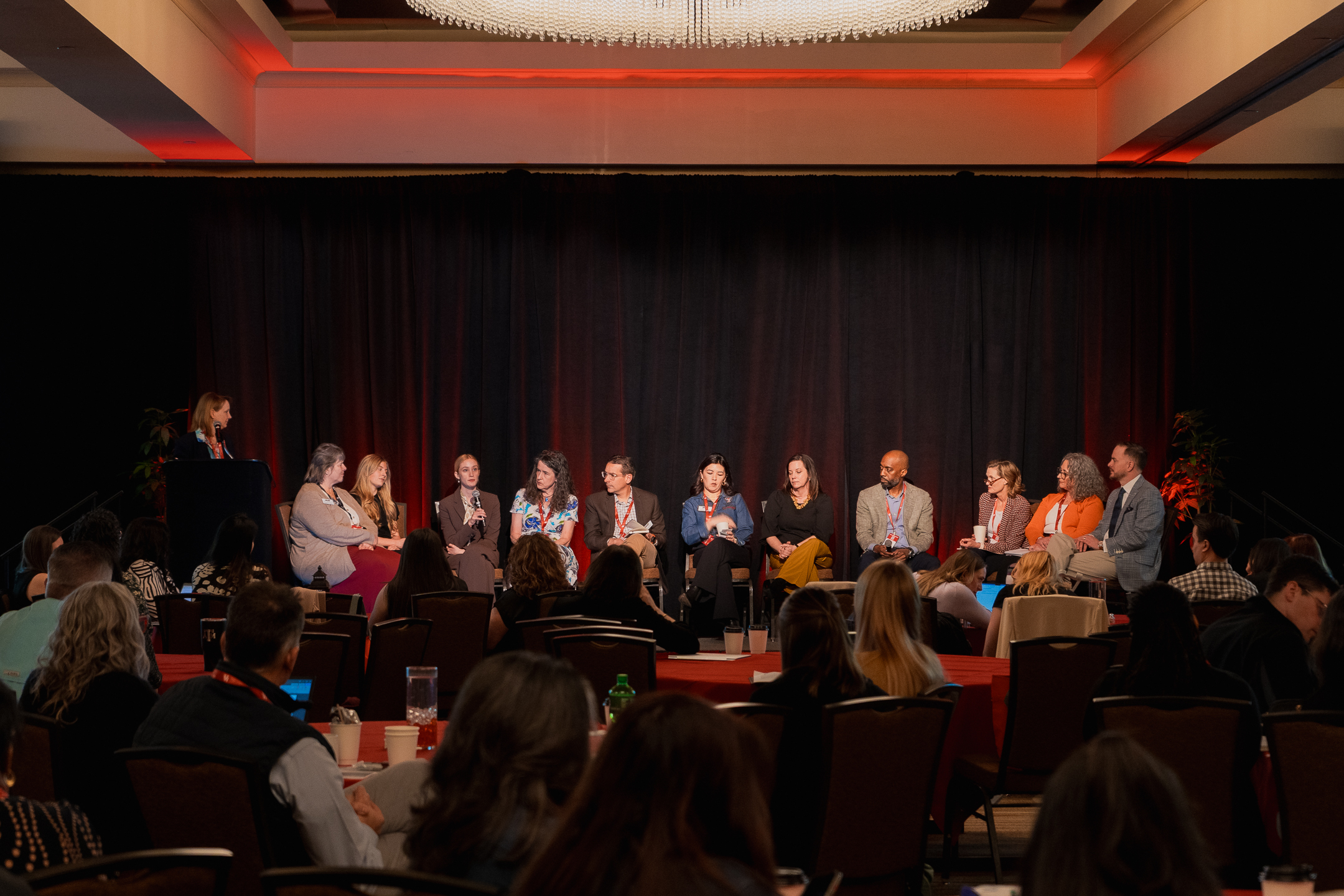
Advisors, admissions leaders, and students explored alignment, expectations, and opportunities
to strengthen the health professions application process during the TXHES Town Hall
session at the 2026 Texas Association of Advisors for the Health Professions (TAAHP)
Conference.
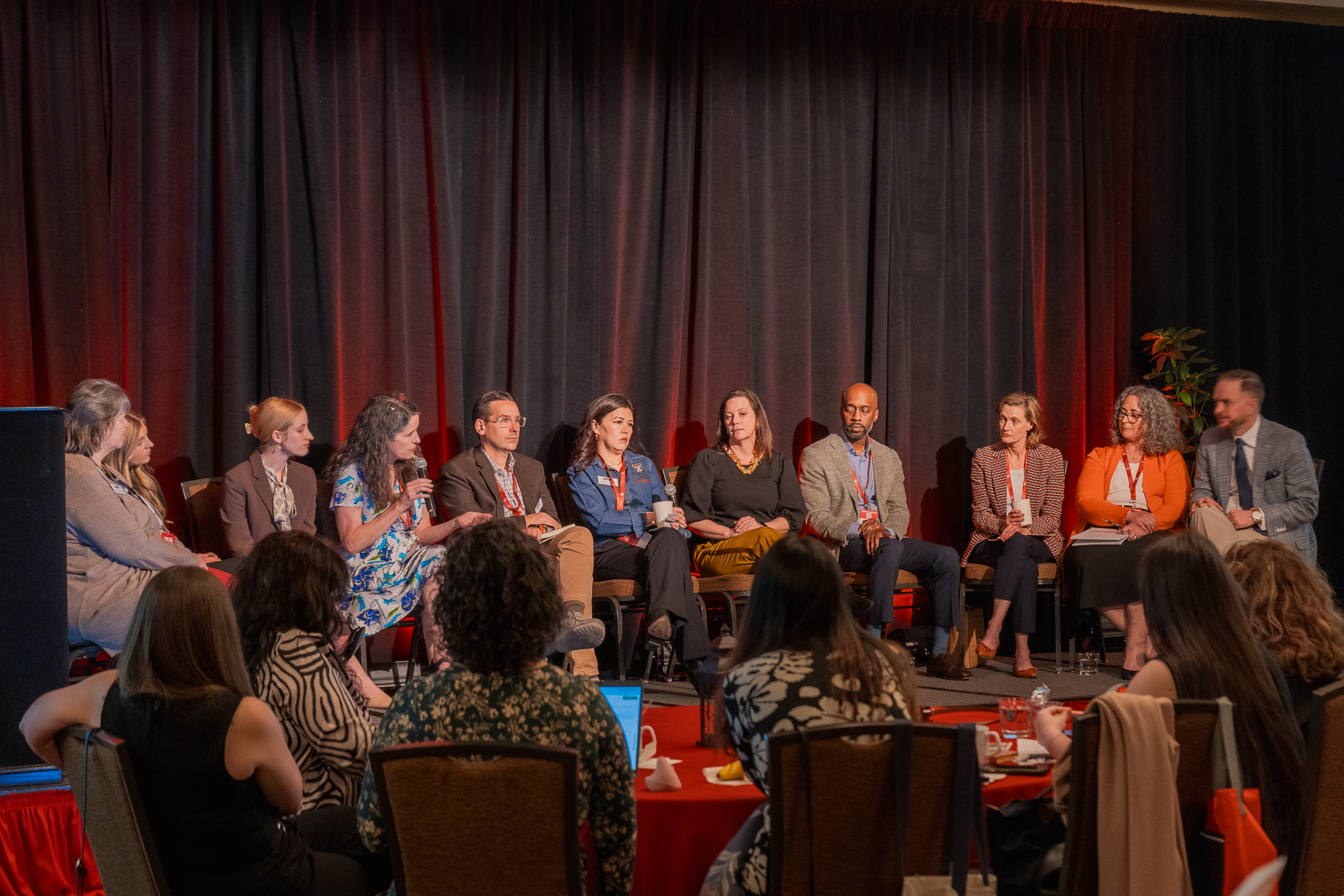
The session, “Sharing Insights, Strengthening Collaboration: A Statewide Conversation
on the Application Cycle,” brought together testing services, medical and dental school
leaders, undergraduate advisors, and student panelists to examine how expectations,
experiences, and communication across the application cycle shape the journey to professional
school.
Audience questions expanded the discussion to topics such as how preparedness is defined
beyond academic metrics, how institutions can strengthen communication across the
application cycle, and how advisors and schools can work together to guide students
more effectively.
The conversation reflected a wide range of perspectives across the health professions
education community, beginning with the experiences of health professions students
who’ve recently navigated the application process.
Navigating the Application Journey
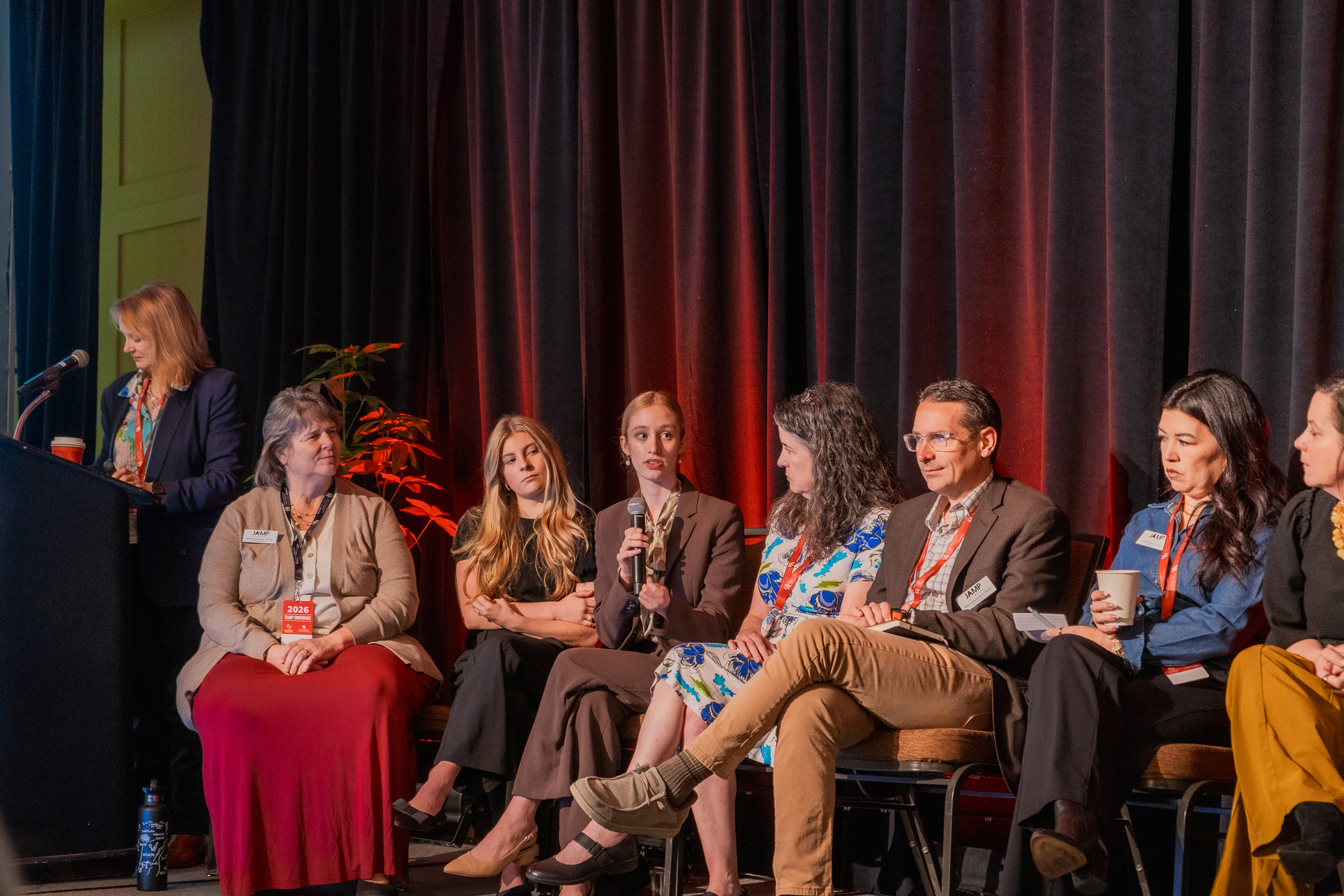
Student panelists shared firsthand insights about navigating the application process,
describing the challenge of balancing academic responsibilities with MCAT preparation,
clinical exposure, and essay writing. One student noted that the structure of the
application can make it difficult to fully demonstrate skills such as time management,
particularly when the preparation process itself requires significant time and focus.
Students also emphasized the value of speaking directly with current professional
school students, describing those conversations as often more approachable and informative
than institutional messaging.
Questions about authenticity also emerged, particularly around personal statements
and how clearly schools communicate what they are looking for in applicants. Panelists
noted that students sometimes feel pressure to write toward what they believe schools
want to hear rather than fully representing their own experiences.
At the same time, students emphasized that there is no single path to admission, with
one panelist describing how experiences outside traditional clinical settings ultimately
strengthened her application.
Clarifying Expectations in the Process
As the conversation continued, panelists discussed how applicants interpret expectations
throughout the application cycle and where misconceptions can arise.
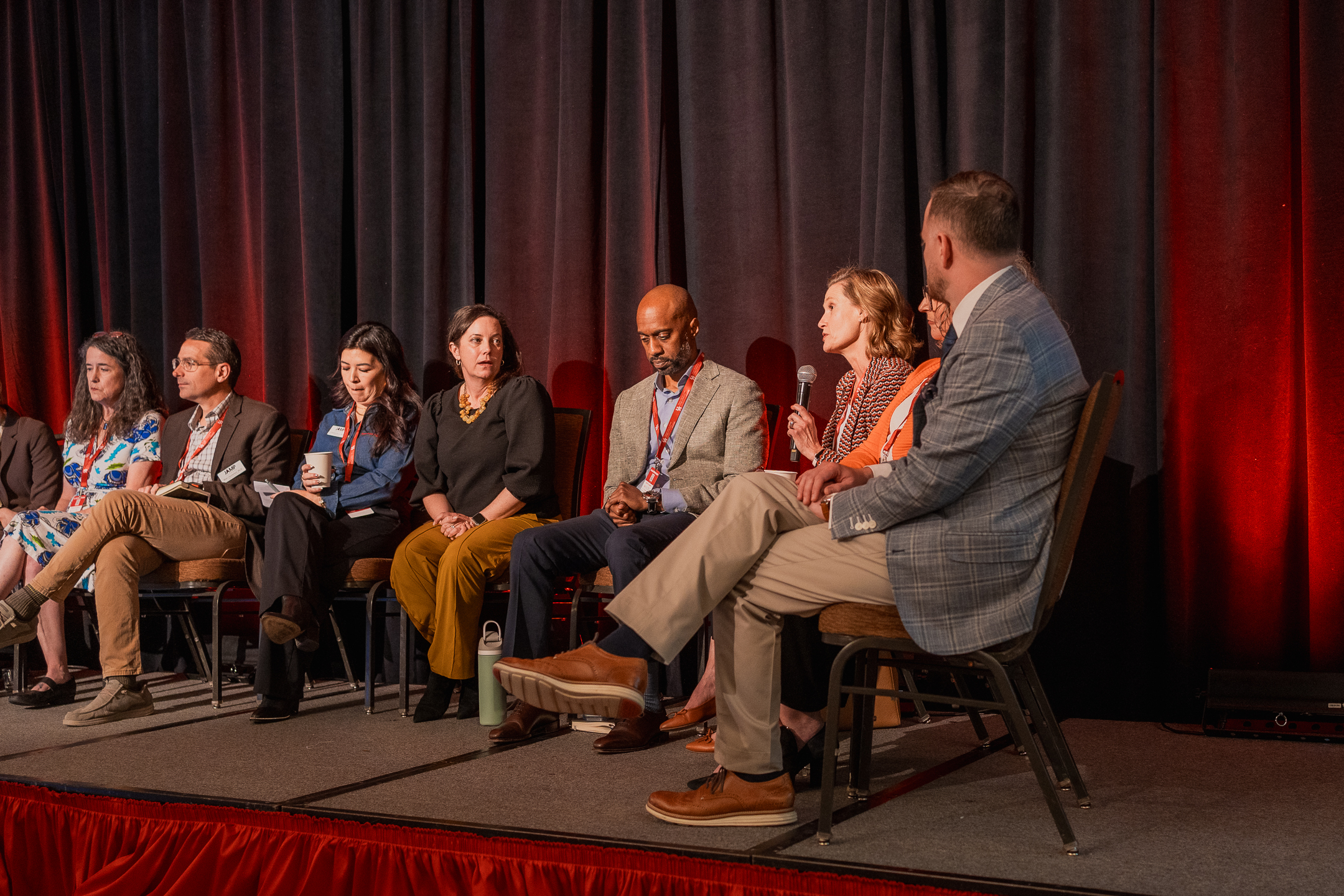
Dr. Kelly Lemke, Assistant Dean of Admissions at UT San Antonio School of Dentistry,
emphasized that when it comes to clinical exposure and shadowing experiences, admissions
committees are less concerned with reaching a specific number of hours and more focused
on the quality of engagement.
“It’s really about breadth and depth,” she explained, stressing the importance of
meaningful involvement rather than simply accumulating hours.
School admissions panelists also noted that preparedness for professional school extends
beyond academic performance. Professionalism, responsiveness, and an understanding
of the expectations of professional training were cited as key indicators of readiness.
Dr. Matt Chumchall, Director of Pre-Health Professions at Texas Christian University,
also addressed misconceptions about rolling admissions, noting that some applicants
rush to submit early at the expense of the quality of their application materials.
“We sometimes see students sacrifice quality for early application submission,” he
said, encouraging students to focus on presenting their experiences clearly and thoughtfully.
Guidance, Access, and Equity in Applicant Experiences
Advisors attending the session highlighted the critical role they play in helping
students interpret expectations and navigate the application process.
Leslie Riley, Director of the Health Professions Office for UT Austin, noted that
data provided through TMDSAS has become a valuable resource for advisors working with
students to understand typical ranges of experiences and hours reported by applicants.
At the same time, panelists emphasized the importance of ensuring that advising guidance
does not unintentionally create barriers for students who may have different levels
of access to clinical opportunities or mentorship.
Dr. Cynthia Perry, Associate Academic Dean of Admissions at Texas Tech University’s
Paul L. Foster School of Medicine, emphasized caution when describing “ideal” applicant
experiences, noting that access to shadowing and other opportunities can vary widely.
“There are privileges some applicants have that others do not,” she said, underscoring
the importance of building systems to better support students and applicants.
Aligning Pathways to Professional School
Another key theme throughout the session was alignment — helping students better understand
how to identify programs that fit their goals while ensuring institutions clearly
communicate expectations and opportunities.
Dr. Kelly Dore, Founder and Vice President of Science & Innovation at Acuity Insights,
noted that many students struggle to determine which schools may best align with their
interests and professional development goals, noting that “helping students understand
where they can grow and thrive is part of the challenge.”
Panelists discussed the importance of engaging students earlier in the education pipeline.
Dara Newton, Sr. Associate Vice President for Outreach & Access at the University
of Texas Rio Grande Valley, emphasized that supporting students must begin well before
the application cycle and highlighted the importance of helping students see that
a career in the health professions is possible for them.
Dr. Javarro Russel, Senior Director of Admissions Services for AAMC, added that strengthening
pathways and addressing inequities in access remain essential priorities in ensuring
that students from a wide range of backgrounds can pursue careers in the health professions.
Strengthening the Process Through Collaboration
Throughout the discussion, TXHES and admissions leaders emphasized that the application
process continues to evolve through ongoing feedback from students, advisors, and
institutions.
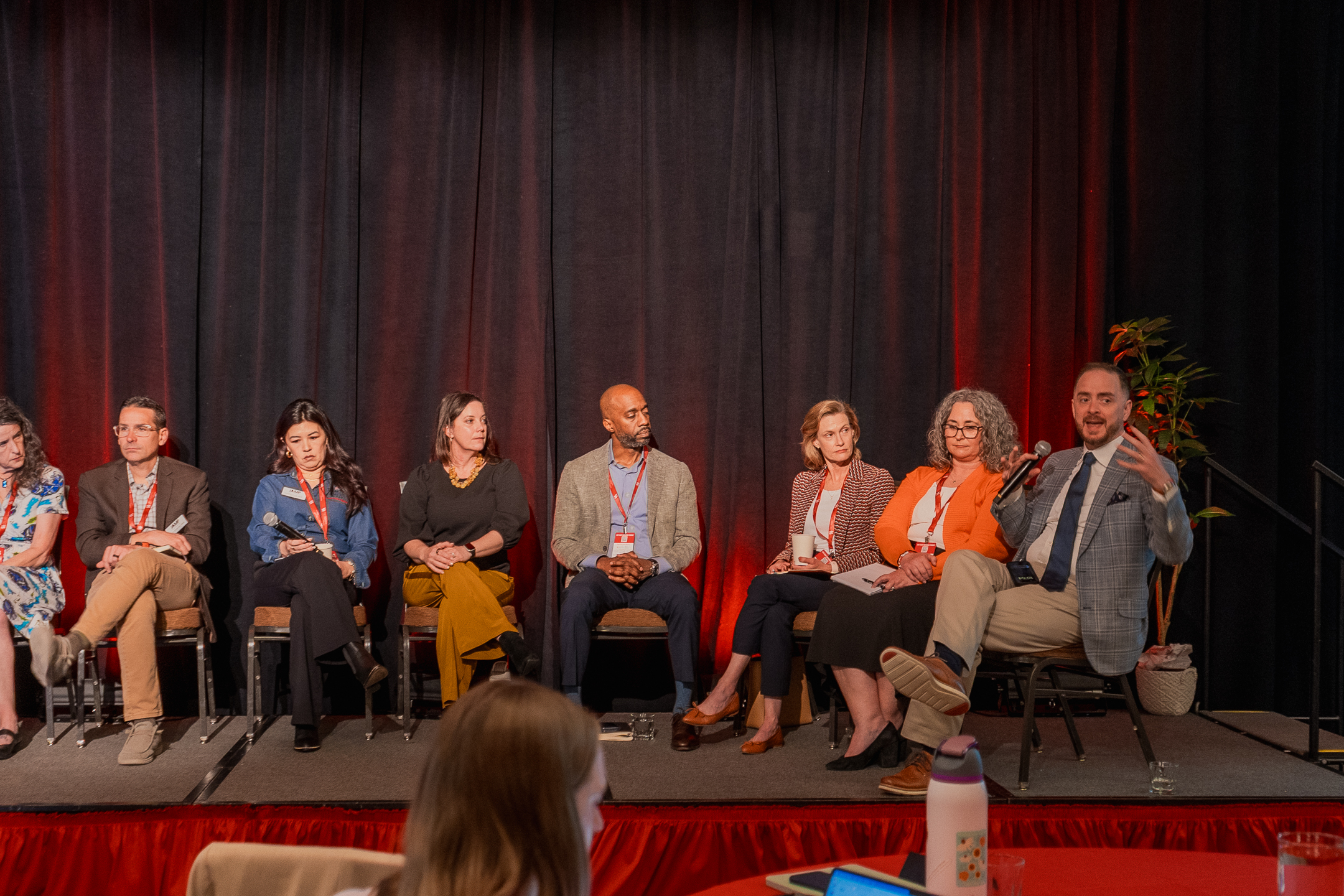
Dr. Matthew Meeks, Executive Director of TXHES, highlighted several efforts underway
to support continuous improvement, including expanded data collection, stakeholder
feedback, and advisory councils that bring together representatives from TMDSAS institutions
and undergraduate advising communities, with future conversations incorporating student
perspectives.
“We want to continue asking what we can do differently, and how we can have a process
that better supports the pre-health community” he said, emphasizing the importance
of bringing different perspectives into conversations about improving the application
process.
Audience questions further explored opportunities for stronger communication across
the application cycle, including greater transparency around interview timelines and
clearer guidance about expectations.
As the session concluded, participants underscored the value of open dialogue across
the statewide advising and admissions community.
By bringing together students, advisors, and institutional leaders, conversations
like those at the 2026 TAAHP Conference help ensure that Texas’ health professions
application process continues to evolve in ways that better support applicants and
the institutions preparing the next generation of healthcare professionals. There
are plans to continue this session at the 2027 TAAHP Conference which will be held
in Tyler, Texas.